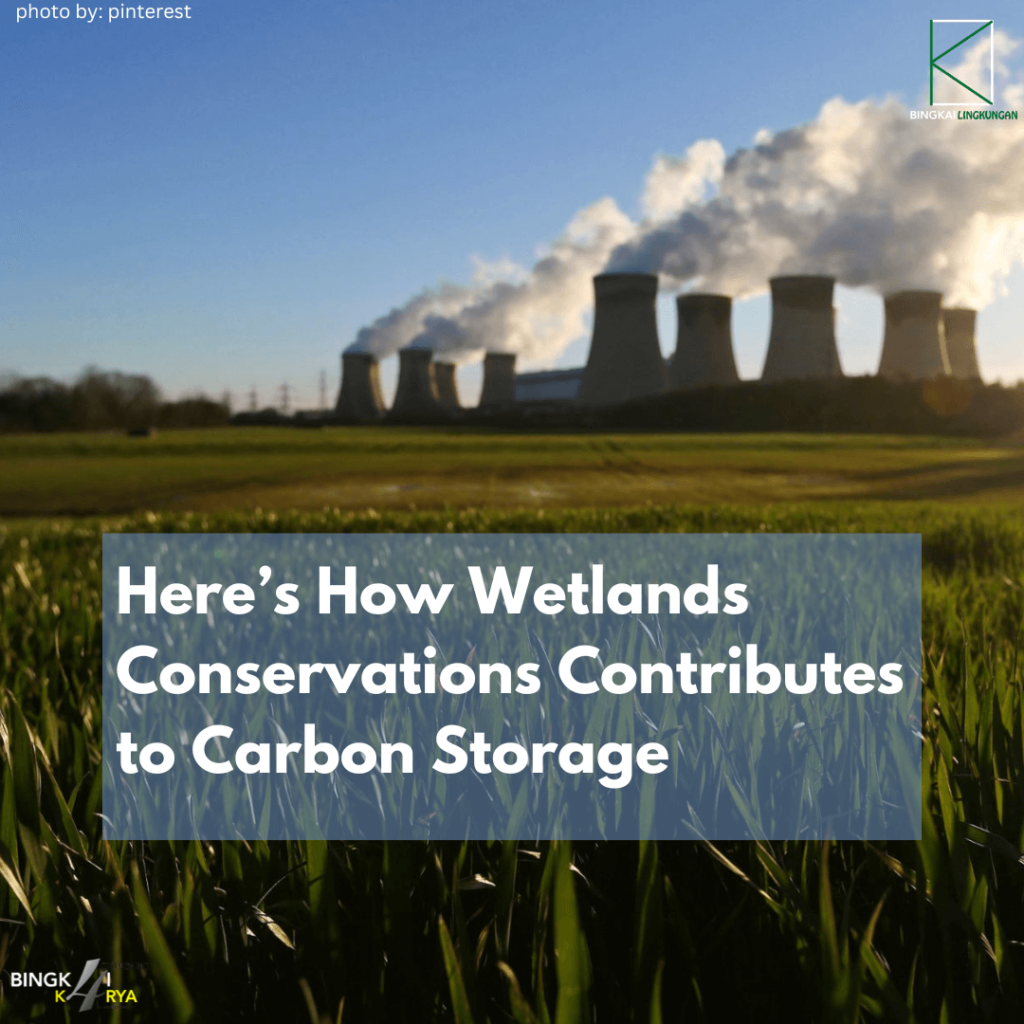
The contribution of conservation and sustainable use of the biodiversity and ecosystem services of wetlands in several aspects such as socio-economic development, carbon storage, climate change adaptation, environmental protection, and nature and biodiversity preservation has garnered a lot of recognition from several experts.
Dr. Dư Văn Toán from the Institute of Environmental Science, Seas and Island under the Ministry of Natural Resources and Environment mentions how mangroves are considered as an extremely beneficial ecosystem, both in tropical and subtropical coast areas. It contributes almost 50 percent of materials to the ocean from materials in the forest and 15% of total organic matter in marine sediments.
Toán emphasized the importance of conducting research to provide policies and orientations on mangrove conservation and the assessment of carbon stocks, saying that the function of storing the organic carbon of wetlands plays an important role in global carbon stocks and the mitigation of climate change impact.
Read also : Jakarta Becomes the Most Polluted City in the World, the Transportation Sector Becomes the Key
About 150,000 hectares of mangrove forest, with the price around US$5 per tonne of carbon dioxide, trading carbon credits are becoming huge benefits. Efficient exploitation will provide a large amount of funds to increase the income for the community and also increase the forest protection and development in Vietnam. It’s also necessary to have a mangroves conservations and assessment in order to fulfill the carbon emission reduction programs
Vietnam is already a member of the Ramsar Convention in 1989, a part of the Wetlands Convention. With nine wetlands around 120,549 hectares has been recognised as a Ramsar Sites, a wetlands of international importance: Xuân Thuỷ National Park (recognised in 1989), Bàu Sấu Wetlands and Seasonal Floodplains (2005), Ba Bể National Park (2011), Tràm Chim National Park (2012), Cà Mau Cape National Park (2013), Côn Đảo National Park (2014), Làng Sen Wetland Reserve (2015), U Minh Thượng National Park (2016), and Vân Long Wetland Nature Reserve (2017).
For this, Vietnam needs to develop a policy regarding the operation of carbon credit exchange and assessment of the economic value of carbon detachment and the storage functions of mangrove forest. Aside from that, the nation needs to take a role in conventions on emission, deforestation and degradation reduction to boost their stance internationally.
source: Asia News